How Fitness for Duty Testing Supports Warehouse Return to Work Decisions

Hypothetical scenario: This example is illustrative and does not describe a verified ErgoScience client or outcome. How can employers assess a warehouse employee’s readiness to return after an injury? Employers should review medical guidance and work restrictions, document the role’s essential physical demands, and consider whether further functional assessment is needed. Job-specific fitness for duty […]
Fit to Work After an Injury: A Manufacturing Company’s Return to Work Challenge

What happens when an employee returns to work before they’re physically ready? Returning to work before their physical capabilities match job demands may make certain tasks difficult to perform safely and consistently, particularly in physically demanding jobs. It can also reveal gaps between an employee’s current abilities and assigned duties, prompting a review of work […]
How Job-Specific Ergonomic Training Can Support MSD Risk Reduction in Manufacturing

Manufacturing employees may perform repetitive movements, forceful exertions, lifting, pushing, pulling, and tasks that require awkward or sustained postures. These physical demands can contribute to musculoskeletal disorder (MSD) risk, particularly when ergonomic hazards remain unaddressed. General safety training can establish basic awareness, but employees also need guidance that reflects the physical demands of their actual […]
How a Warehousing & Distribution Company Used Stretch & Flex and Ergonomic Training to Address Strain Injury Risk

Warehousing and distribution work can involve repeated lifting, carrying, pushing, pulling, and other physically demanding movements throughout a shift. Repeated physical demands can increase exposure to ergonomic risk factors associated with musculoskeletal disorders (MSDs), including some strain injuries. Workplace injury prevention, therefore, requires attention to both the demands of the task and the conditions under […]
How Early Intervention Can Prevent Serious Injuries From Minor MSD Symptoms
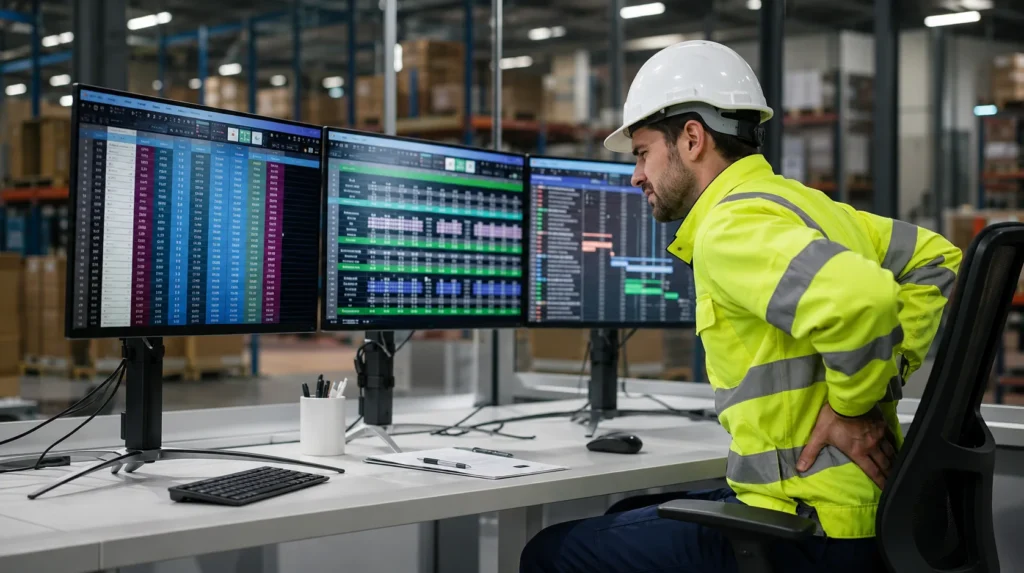
If an employee reports recurring back pain after lifting but continues working, should you wait until the problem becomes a more serious injury? For many organizations, the answer determines whether a minor concern receives early attention or continues until it becomes a more serious injury. Workers may dismiss discomfort, stiffness, fatigue, numbness, or tingling as […]
From Uncertainty to Confidence: How a Power Generation Company Strengthened Its Return-to-Work Program

A rigger at a power generation company had completed medical treatment following an injury and received physician clearance to return to work. However, the company still lacked objective information about whether the employee was physically ready to perform the essential demands of the rigger role. For a physically demanding, safety-sensitive workforce, this created uncertainty for […]
How a Heavy Manufacturing Company Reduced Workers’ Compensation Costs by 73% Through Workplace MSD Prevention
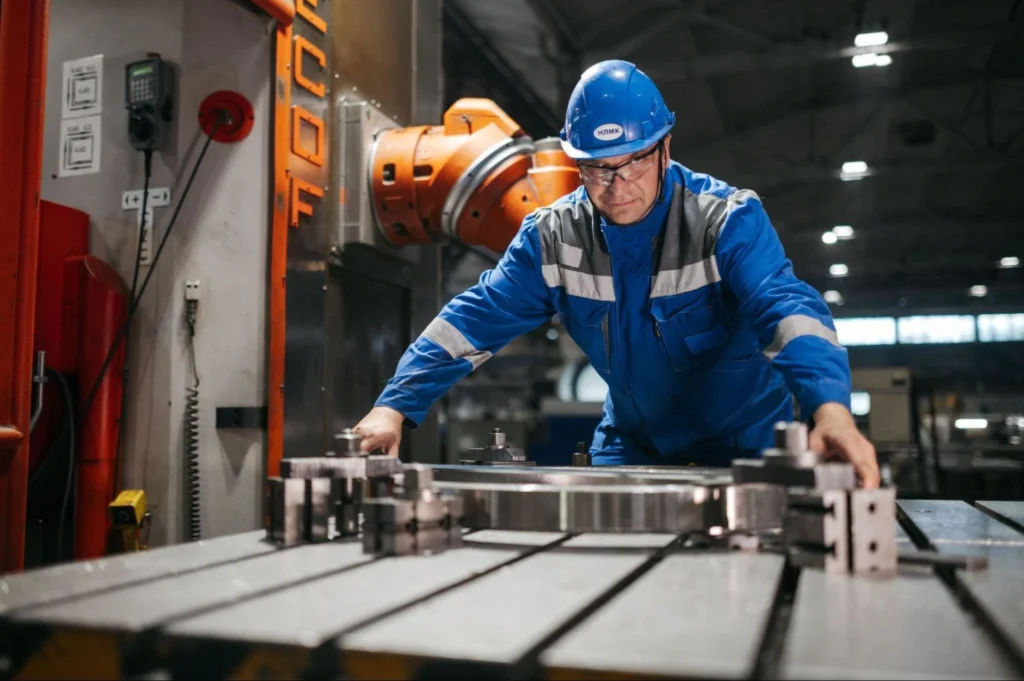
Heavy manufacturing operations rely on employees to lift, carry, push, pull, and perform physically demanding tasks throughout every shift. These demands can create ongoing physical strain and increase the risk of musculoskeletal disorders (MSDs) and other injuries, which can increase workers’ compensation costs while disrupting productivity and operations. Even when PPE, safety training, and established […]