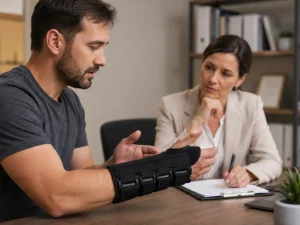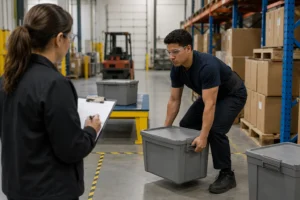

In physically demanding industries, workplace injury prevention often depends on recognizing problems before they become reportable incidents. While employers frequently focus on responding to injuries after they occur, many musculoskeletal disorders develop gradually through repetitive strain, awkward postures, and accumulated physical stress.
For manufacturers that rely on physically demanding labor, even minor discomfort can eventually lead to lost productivity, staffing challenges, and higher injury-related costs if left unaddressed.
As workplace injuries continued affecting operations, Miranda began questioning whether a more proactive workplace injury prevention approach could help employees address symptoms before they became OSHA-recordable incidents.
Keep reading to see how an OSHA-compliant early intervention program helped transform the organization’s approach to workplace injury prevention.
Rising Physical Demands Created Long-Term Workforce Risk
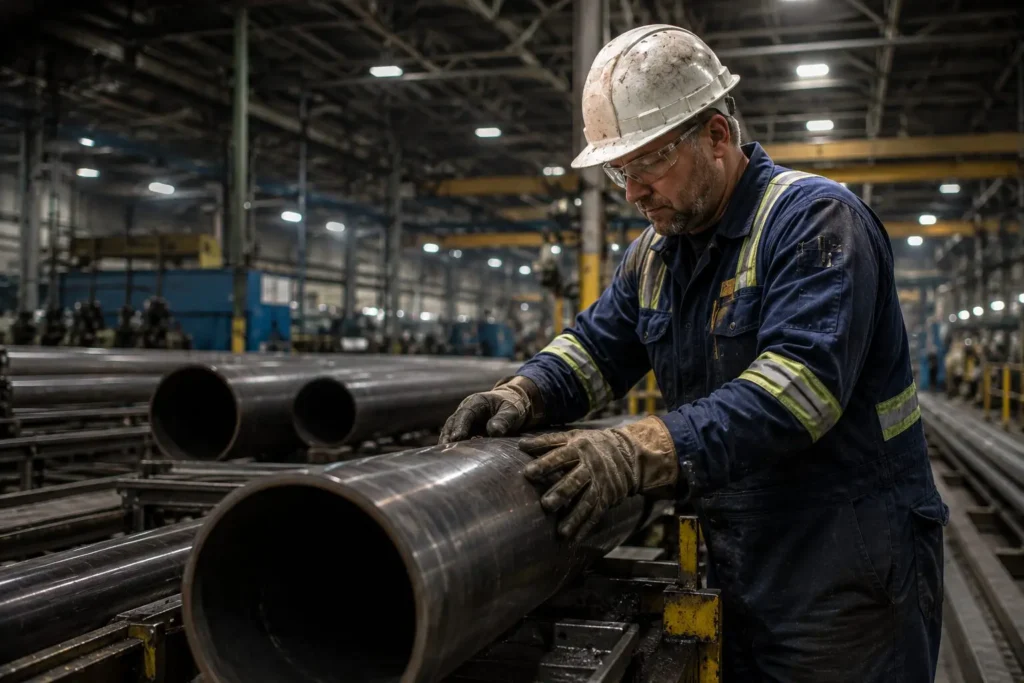
The manufacturing facility operated around the clock, producing steel and ductile iron pipe through physically demanding processes. Employees routinely lifted heavy materials, worked in awkward positions, climbed on and off powered equipment, and navigated uneven surfaces throughout the facility.
When workers missed shifts, production slowed. Supervisors spent valuable time managing coverage. Overtime increased across departments, creating fatigue among remaining employees. The more fatigue increased, the greater the likelihood of another workplace injury occurring elsewhere in the operation.
Miranda understood that the current approach was unsustainable. The organization was trapped in a reactive cycle that consumed resources without addressing the root causes driving injury rates higher.
Repeated Injury at Work Incidents Begin Escalating
As Director of Worksite Physical Therapy, Miranda spent years working directly with employees recovering from injuries. During evaluations, she noticed a consistent pattern.
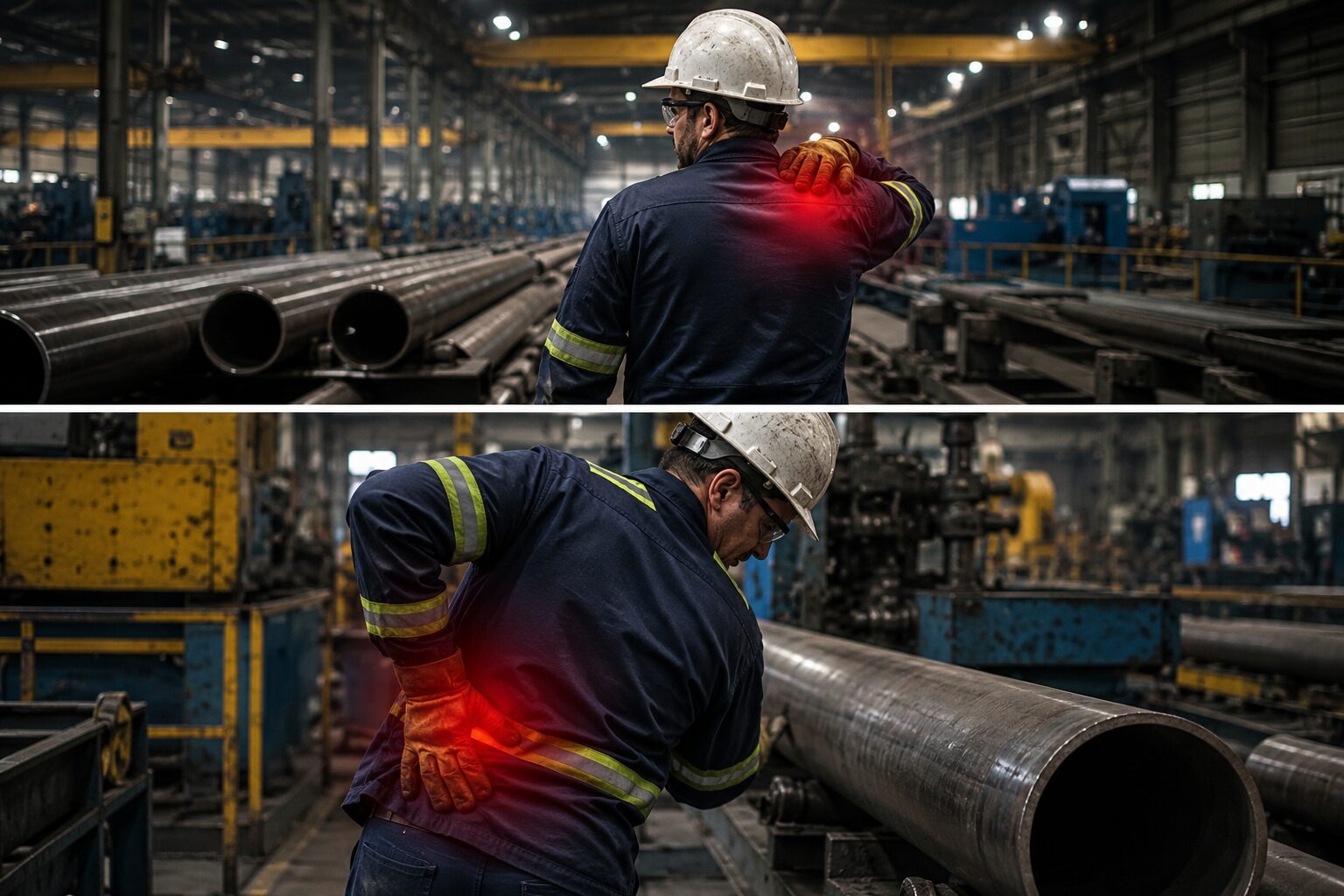
Very few employees described a sudden injury at work. Most talked about soreness that had lingered for weeks, stiffness they had ignored, or discomfort that gradually became severe enough to require treatment. Minor symptoms were often dismissed as part of the job until they developed into a workplace injury serious enough to affect performance.
Miranda believed workplace injury prevention required a different approach. She began discussions with the Director of Wellness, Director of Safety, and Vice President of Operations about implementing an OSHA-compliant early intervention program designed to address minor discomfort before it developed into a recordable injury.
Leadership was hesitant. Executives worried that encouraging employees to report symptoms could artificially inflate OSHA recordables, reduce productivity, and increase costs. Some feared the initiative would overwhelm safety teams with reports of every ache and pain.
Without change, however, leadership risked facing even higher costs, lower productivity, and additional injury across the workforce.
How the Early Intervention Program Changed Injury Prevention
As injuries continued increasing, leadership agreed to launch a pilot version of ErgoScience’s OSHA-compliant Early Intervention Program for Maintenance and Electrical Associates.
The early intervention program relied on OSHA-approved musculoskeletal first-aid interventions, including heat and cold therapy, massage, non-rigid supports such as kinesiology taping, and ergonomic best-practice training. These measures allowed employees to address discomfort early while remaining within OSHA first-aid guidelines.
Sessions typically lasted 30 minutes. Most participants improved within three to six visits. Employees requiring additional evaluation or treatment beyond first aid were referred to a physician or other healthcare provider. Experienced clinicians guided these decisions, ensuring employees received the most appropriate level of care.
Initially, participation remained slow. Then Miranda and her team introduced a critical improvement. Instead of requiring employees to visit a centralized wellness facility, they established satellite clinics closer to operational departments. The change significantly improved accessibility and encouraged workers to seek assistance earlier.
Employees gradually became more comfortable reporting discomfort before it developed into a recordable injury, supporting the organization’s broader workplace injury prevention efforts. They began speaking up when soreness, fatigue, and strain occurred, before symptoms escalated.
Although the COVID-19 pandemic temporarily interrupted the program for approximately 18 months, the initiative regained momentum after operations normalized. The results validated Miranda’s belief that prevention could be more effective than reaction.
Over approximately 3.5 active years:
- 207 employees participated in the program.
- Participants averaged 4.5 visits each.
- 87% improved their pain and dysfunction.
- 16% were referred for more extensive physical therapy.
- Only 6% required referral to personal physicians
- None of the cases were considered workers’ compensation injuries.
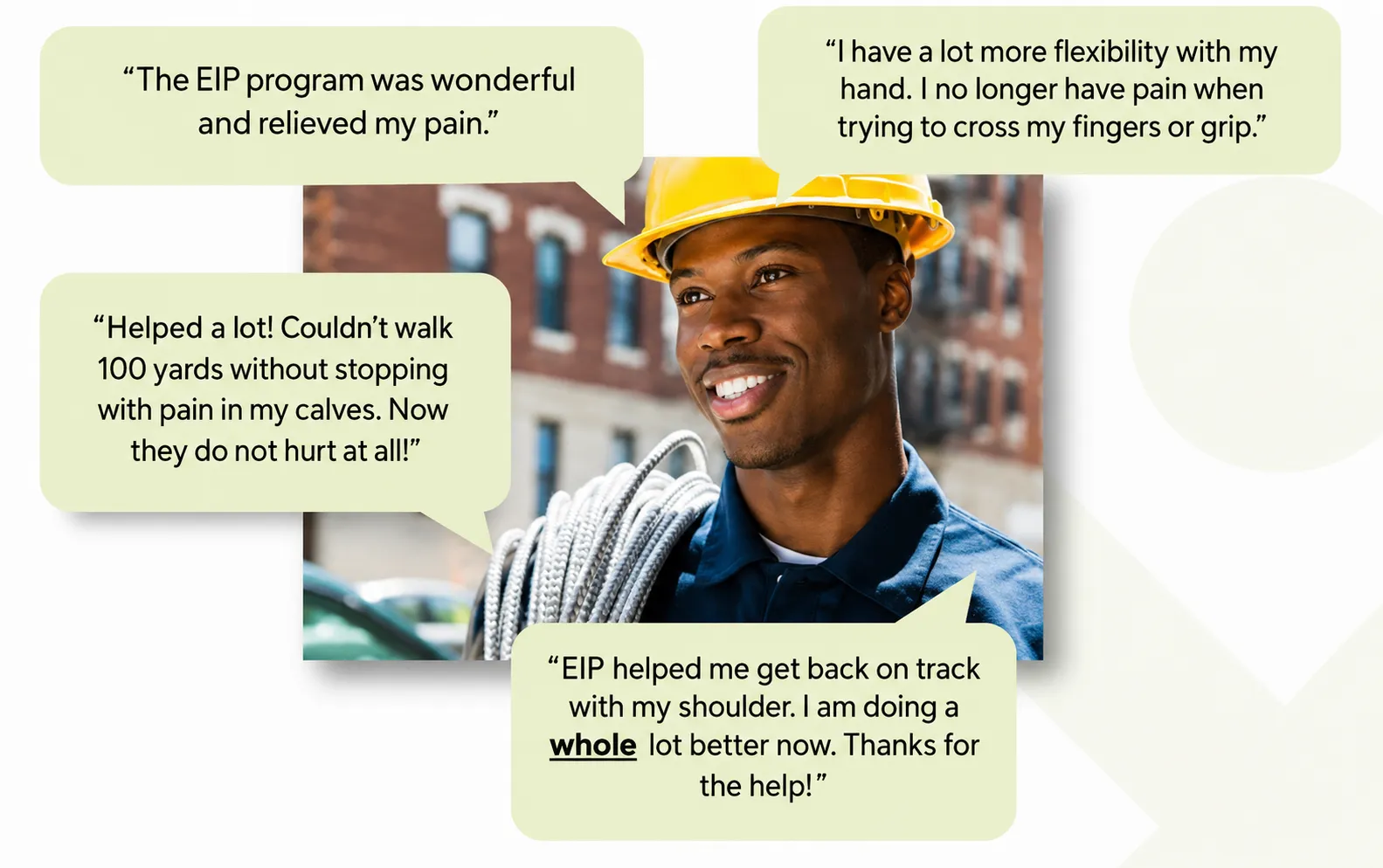
The results reflected more than improved statistics. Employees reported meaningful improvements in pain, mobility, and day-to-day function. For many participants, addressing discomfort through the Early Intervention Program allowed them to continue working safely before symptoms progressed into more serious conditions.
A Smarter Workplace Injury Prevention Strategy Built on Prevention
Looking back, Miranda realized the greatest risk was never a single injury at work. The real challenge was allowing minor discomfort, repetitive strain, and physical fatigue to accumulate until they became recordable injuries. Effective workplace injury prevention required identifying and addressing those issues before they affected employees, productivity, and operational continuity.
ErgoScience’s OSHA-compliant Early Intervention Program helped the organization move from reactive injury management to proactive prevention. By combining experienced clinicians, evidence-based interventions, ergonomic education, and measurable outcome tracking, the company created a sustainable approach to reducing the risk of workplace injuries.
Unlike generic safety programs, ErgoScience focuses on research-backed injury prevention, clinical expertise, and outcome validation that demonstrates measurable impact over time. The program did more than reduce workplace injuries; it improved workforce continuity, strengthened operational performance, and helped employees stay healthier on the job.
For organizations facing similar challenges, the lesson is clear: preventing a workplace injury starts long before an incident is reported.
Explore ErgoScience’s Injury Prevention Solutions
Build a Stronger Workplace Injury Prevention Strategy With an Early Intervention Program
Effective workplace injury prevention starts long before an injury becomes recordable. ErgoScience’s early intervention program helps employers identify and address minor discomfort before it escalates, reducing the risk of musculoskeletal injuries, lost productivity, and unnecessary disruptions to operations.
Key Takeaways
- Minor discomfort often precedes serious musculoskeletal injuries and lost productivity.
- Early intervention prevents symptoms from escalating into recordable incidents.
- Accessible support programs increase employee participation and early reporting.
- Aligning testing with real job demands can reduce strains, sprains, slips, trips, and falls.
- Research-backed prevention delivers measurable operational and financial benefits.
Ready to strengthen workplace injury prevention efforts before minor discomfort becomes a costly injury?
Schedule a Workforce Assessment
FAQs
1. What is an early intervention program, and how does it support workplace injury prevention?
An early intervention program helps employees address minor musculoskeletal discomfort before it develops into a recordable injury. Through OSHA-compliant first-aid measures and ergonomic recommendations under the guidance of experienced clinicians, organizations can strengthen workplace injury prevention efforts while reducing the likelihood of more serious injuries.
2. Which employees are the best candidates for an early intervention program?
Employees experiencing minor discomfort, soreness, stiffness, or physical strain related to their job duties are often good candidates for an early intervention program. Addressing symptoms early can improve workplace injury prevention outcomes by helping employees receive support before a condition worsens.
3. How can an early intervention program help reduce musculoskeletal injuries in manufacturing environments?
Manufacturing employees often perform repetitive tasks, handle heavy materials, and engage in physically demanding work. An early intervention program helps identify and address discomfort associated with these activities before it progresses into a more serious condition, making it an effective component of a workplace injury prevention strategy.
4. Will a workplace early intervention program increase my OSHA recordables?
No, as long as it is administered correctly, adhering to OSHA’s definition of first aid, a workplace early intervention program will lower your OSHA recordables by addressing minor issues before they become recordable injuries.
5. What type of professional is qualified to deliver workplace early intervention?
Physical and occupational therapists, physical therapy assistants, certified occupational therapy assistants, and certified athletic trainers are the primary professionals who are best suited to deliver workplace early intervention. These professionals have the requisite skills and knowledge to interpret the signs and symptoms of early-onset musculoskeletal discomfort and deliver early intervention.
6. Why isn’t exercise part of worksite early intervention?
Exercise is considered a medical treatment beyond first aid by OSHA. Participants in early intervention can be advised to continue any job-specific exercises previously taught, but body-part-specific exercises are not allowed as part of early intervention.
7. Does early intervention adversely affect productivity?
No, in fact, an early intervention program can improve productivity. Employees who work while experiencing pain and discomfort are significantly less productive than those who don’t have pain. A recent 2025 study in BMC Public Health found that pain was a significant factor in decreasing productivity. Another study published by Brigham and Women’s Hospital found that employees with chronic pain missed about 2.5 times more workdays than those without pain. By decreasing and eliminating pain, early intervention increases productivity.
8. What are some of the intangible benefits of early intervention?
When implemented correctly, workplace early intervention improves employee morale, promotes trust between management and frontline employees, and significantly reduces presenteeism and turnover. Reducing turnover helps preserve institutional knowledge and protects employers’ reputation.
9. What financial outcomes will I achieve by implementing a workplace early intervention program?
Considering that early intervention will cost the company approximately $200 per participant, and that each intervention has the potential to protect the company from a $60K lost-time musculoskeletal injury, the ROI seems obvious. Some programs report that for every $1 spent on early intervention, $2 to $7 is saved.
Names and select identifying information have been changed to protect the privacy of individuals and organizations.