Private employers reported 2.6 million nonfatal workplace injuries and illnesses in 2023, highlighting that workplace safety remains a significant business challenge despite continued improvements.
How can employers reduce workers’ compensation costs?
Employers can reduce workers’ compensation costs by preventing injuries, reducing claim frequency and severity, addressing ergonomic risks, intervening early when symptoms appear, and measuring which prevention strategies produce measurable improvements in safety and workforce performance.
Every workplace injury carries a cost that extends far beyond medical expenses. Lost productivity, operational disruptions, higher insurance premiums, and administrative burdens from workers’ comp claims can quickly affect an organization’s bottom line.
While some level of risk is unavoidable in physically demanding industries, employers with consistently low claim rates don’t rely on luck; they build systems that prevent work-related injuries, particularly musculoskeletal disorders (MSDs), before they happen.
From hiring employees who are physically suited for the job to improving ergonomics, fostering a strong safety culture, and addressing minor issues before they escalate, these organizations take a proactive approach to injury prevention.
Proven Strategies for Reducing Workers’ Comp Claims
Employers with fewer workers’ comp claims share a common approach: they focus on preventing work-related injuries, particularly musculoskeletal disorders (MSDs), before they happen. These five strategies help build a safer workplace while controlling long-term costs.
- Hire Employees Who Are Physically Prepared for the Job
- Reduce Injury Risks Through Ergonomic Improvements
- Build a Strong Workplace Safety Culture
- Address Early Signs of Injury Before They Become Costly Claims
- Measure Injury Trends and Continuously Improve Safety Programs
Step 1: Hire Employees Who Are Physically Prepared for the Job
What is it?
Employers with consistently low workers’ comp claims don’t rely solely on resumes or interviews when hiring for physically demanding roles. They first define the physical requirements of each position through a Job Demands Analysis. They then use role-specific Physical Ability Testing (PAT) to evaluate whether candidates can safely perform those essential tasks before they begin work.
This includes assessing activities such as lifting, carrying, pushing, pulling, standing, climbing, and repetitive movements to ensure employees are matched to roles that align with their physical capabilities. By placing workers in jobs they can safely perform, organizations reduce the likelihood of work-related injuries, particularly musculoskeletal disorders (MSDs), caused by overexertion, improper lifting, or repetitive strain while creating a safer workforce from day one.
Why does it matter?
Hiring employees who are physically prepared for the job can help organizations:
- Poor worker-to-job matching increases MSD risk
- Workers’ compensation exposure rises because of preventable injuries
- Workforce instability creates operational disruption
- HR and safety teams become trapped in reactive injury management
- Recruiting and training costs increase because of turnover and absenteeism
How can employers reduce workers’ comp claims?
Employers can reduce workers’ comp claims by identifying physical job risks before injuries occur, matching employees to job demands, improving ergonomics, encouraging early injury reporting, and using injury data to strengthen prevention programs continuously.
Download the Physical Abilities Testing Whitepaper
Step 2: Ergonomic improvements reduce the hazards of the job.
What is it?
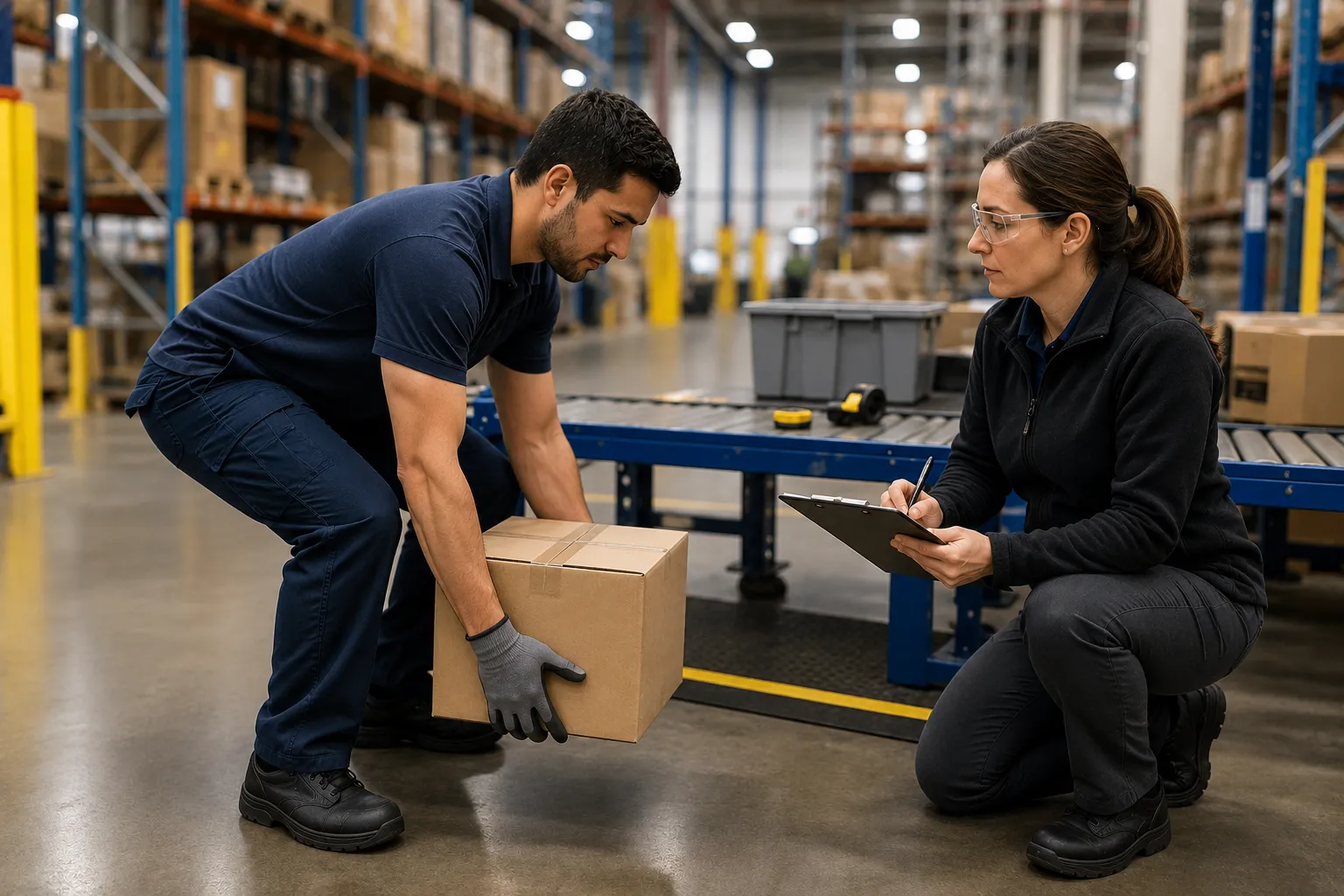
Employers with consistently low workers’ comp claims don’t wait for injuries to reveal workplace hazards. They regularly proactively conduct ergonomic assessments to identify ergonomic hazards in job tasks, workstations, equipment, and workflows before they contribute to work-related injuries, particularly musculoskeletal disorders (MSDs).
These assessments focus on repetitive motions, awkward postures, excessive force, manual material handling, and workstation design that can contribute to physical strain.
Using employee feedback, safety observations, and ergonomic assessments, organizations implement practical improvements such as adjusting workstation layouts, optimizing tool placement, improving lifting techniques, or redesigning workflows. These proactive changes help reduce physical stress on employees while maintaining productivity and operational efficiency.
Why does it matter?
Investing in ergonomic improvements can help organizations:
- Reduce work-related injuries caused by repetitive motion, overexertion, and poor workstation design
- Lower the frequency and severity of workers’ comp claims by addressing hazards before injuries occur
- Reduce physical strain and MSD risk while improving productivity and supporting long-term workforce safety
- Reduce lost workdays, absenteeism, and costs associated with preventable musculoskeletal disorders
- Create a safer work environment that supports long-term operational performance and compliance
Download the Workplace Strains & Sprains Prevention Guide
What causes high workers’ comp claims?
High workers’ comp claims often result from preventable physical hazards, poor ergonomics, delayed injury reporting, inadequate safety practices, and mismatches between job demands and employee capabilities. Identifying these risks before injuries occur can help reduce claim frequency and severity.
Step 3: Build a Strong Workplace Safety Culture
What is it?
Employers with consistently low workers’ comp claims reinforce safe work practices through ergonomic training, consistent communication, and employee involvement, helping reduce exposure to work-related injuries, particularly musculoskeletal disorders (MSDs).
Employees are encouraged to identify risks, follow safe work practices, and report concerns without fear of blame or retaliation. By reinforcing safety expectations at every level of the organization, employers create a culture where preventing injuries becomes part of everyday decision-making instead of a reactive response to incidents.
Why does it matter?
Building a strong workplace safety culture helps organizations:
- Reduce work-related injuries by encouraging employees to identify and address hazards early
- Lower workers’ comp claims through consistent safety practices and proactive risk management
- Improve employee engagement, accountability, and compliance with safety procedures
- Strengthen communication between employees, supervisors, and leadership on workplace risks
- Support higher morale, better retention, and a safer, more productive work environment
Step 4: Address Early Signs of Injury Before They Become Costly Claims
What Is It?
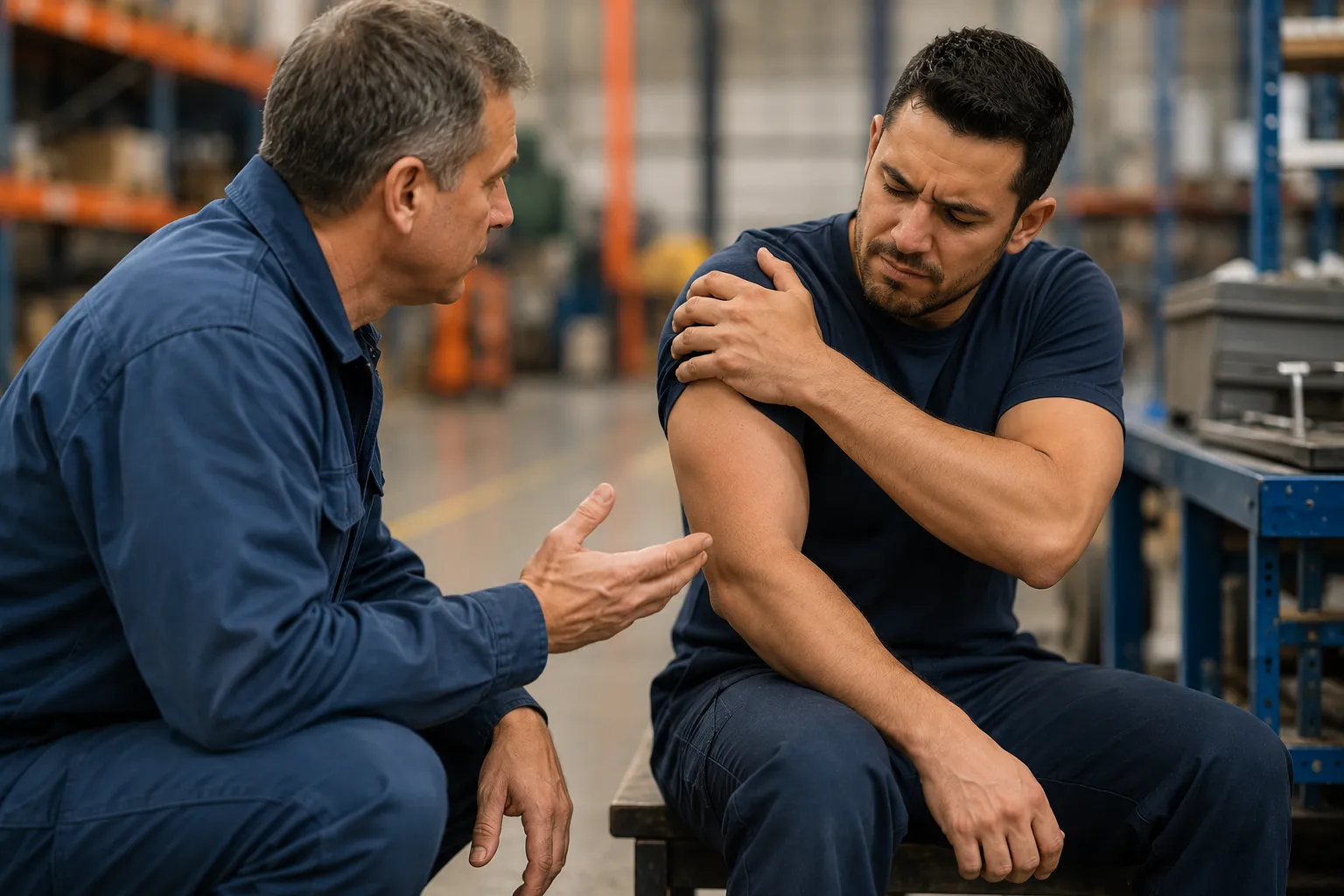
Employers with consistently low workers’ comp claims don’t wait until an employee experiences a serious injury to take action. They encourage workers to report discomfort, fatigue, or physical strain as soon as symptoms appear and have clear processes in place to respond quickly.
This may include evaluation by trained professionals, first-aid-level interventions, referrals when appropriate, follow-up monitoring, and preventing symptoms from progressing into work-related injuries, particularly musculoskeletal disorders (MSDs), that become recordable incidents.
By treating early symptoms as warning signs rather than minor inconveniences, organizations can prevent small problems from developing into serious work-related injuries that require extensive medical treatment or time away from work.
Why Does It Matter?
Responding to early signs of injury helps organizations:
- Prevent minor discomfort from developing into serious work-related injuries.
- Reduce the frequency and severity of workers’ comp claims through faster intervention.
- Minimize lost workdays, medical costs, and operational disruptions.
- Support faster recovery by addressing physical strain before it becomes chronic.
- Demonstrate a proactive commitment to employee well-being and long-term workplace safety.
Train supervisors to recognize early warning signs and establish a clear response process that includes prompt evaluation, appropriate referrals, ergonomic modifications when needed, and ongoing follow-up. Early action is often the difference between a minor issue and a costly workers’ compensation claim.
How can employers identify workplace injury risks before injuries occur?
Employers can identify workplace injury risks through job demands analysis, ergonomic assessments, employee feedback, safety observations, early symptom reporting, and injury trend analysis. These methods help identify physical hazards and risk patterns before they lead to more serious workplace injuries.
Step 5: Measure Injury Trends and Continuously Improve Safety Programs
What Is It?
Employers with consistently low workers’ comp claims understand that injury prevention is an ongoing process, not a one-time initiative.
They regularly track workplace safety metrics, review incident reports, analyze near misses, and measure injury trends to evaluate whether injury prevention initiatives are reducing work-related injuries, particularly musculoskeletal disorders (MSDs), and workers’ comp claims over time.
By using this data to assess the effectiveness of safety programs, ergonomic initiatives, and training efforts, organizations can make informed decisions that reduce risk and strengthen prevention strategies over time.
Rather than reacting to isolated incidents, they validate program outcomes through ongoing injury trend analysis and continuously refine safety initiatives to maximize long-term results.
Why Does It Matter?
Measuring injury trends and improving safety programs helps organizations:
- Identify recurring causes of work-related injuries before they lead to more incidents
- Reduce workers’ comp claims by focusing resources on the highest-risk areas
- Measure the effectiveness of workplace safety and injury prevention initiatives
- Improve decision-making through data-driven insights rather than assumptions
- Strengthen long-term safety performance while reducing operational and insurance-related costs
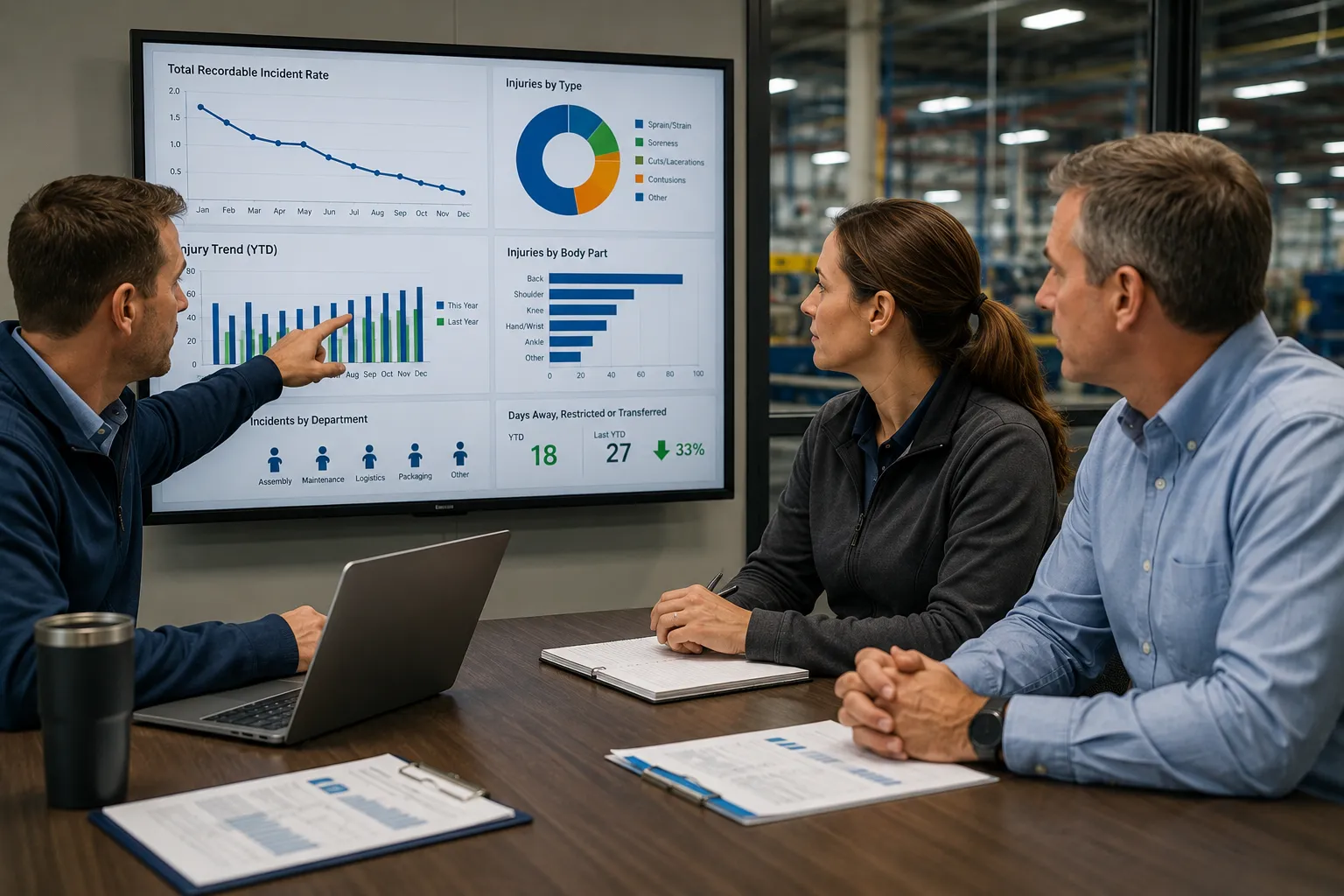
Turn These Best Practices Into Long-Term Results
What is it?
Reducing workers’ comp claims isn’t about implementing one safety initiative; it’s about building a proactive injury prevention strategy that addresses risk at every stage of the employee lifecycle. From hiring employees who are physically prepared for the job to improving ergonomics, encouraging early intervention, and continuously refining safety programs, these practices help create safer workplaces while controlling long-term costs.
Organizations looking to put these strategies into action can benefit from working with a trusted injury prevention partner. ErgoScience combines clinical expertise, data-driven assessments, and evidence-based solutions to help employers reduce work-related injuries, particularly musculoskeletal disorders (MSDs), improve workforce performance, and build safer operations.
How ErgoScience Supports Injury Prevention at Every Stage
| Strategy | How ErgoScience Helps |
| Hire Employees Who Are Physically Prepared for the Job | Job Demands Analysis and Pre-Hire Physical Ability Testing (PAT) |
| Reduce Injury Risks Through Ergonomic Improvements | Ergonomic Assessments and Workplace Risk Evaluations |
| Build a Strong Workplace Safety Culture | Ergonomic Training and Injury Prevention Programs |
| Address Early Signs of Injury Before They Become Costly Claims | Worksite Early Intervention |
| Measure Injury Trends and Continuously Improve Safety Programs | Outcome Measurement, ROI Validation, and Continuous Program Optimization |
The most effective way to reduce workers’ compensation costs is to prevent injuries before they occur. Discover how ErgoScience’s evidence-based injury prevention solutions can help your organization improve workforce safety, reduce claim costs, and create lasting operational improvements.
TL;DR
- Employers with fewer workers’ comp claims take a proactive approach to preventing work-related injuries, rather than simply responding after incidents occur
- Hiring employees who are physically prepared for the job helps reduce injuries caused by poor job fit and physical overexertion
- Ergonomic improvements minimize physical strain, lowering the risk of musculoskeletal disorders and repetitive motion injuries
- A strong workplace safety culture encourages hazard reporting, accountability, and safe work practices across the organization
- Early intervention prevents minor discomfort from developing into serious injuries, reducing claim severity and lost workdays
- Tracking injury trends and continuously improving safety programs helps employers identify risks early and sustain long-term reductions in workers’ compensation costs
FAQs
Can workers’ comp claims really be reduced without compromising productivity?
Yes. Injury prevention strategies can support both safety and productivity when they address risks within normal operations. Ergonomic improvements, appropriate job matching, early intervention, and better risk monitoring can reduce physical strain and disruption while helping employees perform their work safely and more productively. People who work in pain are actually less productive.
What causes the biggest increase in workers’ comp claims?
Many workers’ comp claims result from preventable work-related injuries, particularly musculoskeletal disorders (MSDs), including overexertion, repetitive motion, improper lifting, and slips or falls. Delayed reporting, poor ergonomics, inadequate safety training, and hiring employees who are not physically prepared for the job can also increase claim frequency and severity.
How can employers identify workplace injury risks before injuries occur?
A proactive approach combines job demands analysis, ergonomic assessments, employee feedback, safety observations, and injury trend analysis to identify hazards before they lead to work-related injuries, particularly musculoskeletal disorders (MSDs). Regular evaluations allow employers to address physical risks early and continuously improve workplace safety programs.
When should employers seek professional injury prevention support?
Organizations should consider expert support when they experience rising workers’ comp claims, recurring musculoskeletal injuries, high absenteeism, or frequent manual material handling incidents. Working with injury prevention specialists can help identify underlying risk factors, implement evidence-based solutions, and build a long-term strategy for reducing workplace injuries and associated costs.
Build a Stronger Injury Prevention Strategy With Confidence
Every workplace is different, but the principles of effective injury prevention remain the same. Here are answers to some of the most common questions employers have about reducing workers’ comp claims and preventing work-related injuries.
Key Takeaways
- Proactive injury prevention is more effective and cost-efficient than reacting to workplace incidents
- Hiring employees who can safely perform job demands helps reduce preventable injuries
- Ergonomic improvements and early intervention minimize injury severity and claim costs
- Early intervention when minor discomfort arises
- A strong safety culture and continuous program evaluation support long-term reductions in workers’ compensation costs
Discover how ErgoScience’s evidence-based injury prevention solutions can help your organization reduce workers’ comp claims, prevent work-related injuries, and improve workforce performance.