Work-Related Musculoskeletal Disorders: How to Avoid Workplace Injuries and Build a Safer Workplace

Avoid relying on training alone to reduce MSD risk. ErgoScience helps employers understand how to avoid workplace injuries through job-specific physical abilities testing, ergonomic solutions, and early intervention.
78% Average Decrease in Workers’ Comp Costs
11.1 Average ROI
$10M Average 6-Year Savings
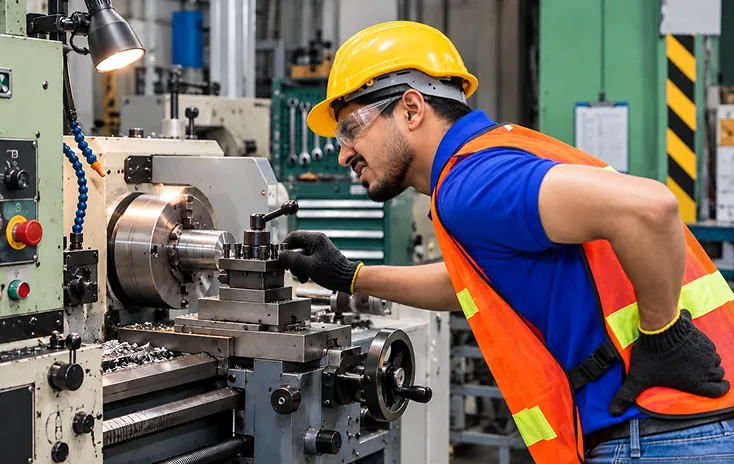
A factory worker experiencing lower back pain while operating a metal lathe, highlighting the importance of knowing how to reduce workplace injuries.
Proud Partnerships

Brands that Trust ErgoScience

Partner Logo 1
Partner Logo 2
Partner Logo 3
Partner Logo 4
Partner Logo 5
Partner Logo 6
Alabama Power
Buffalo Rock
Greenbush
Hartford
HS Express
Leadec
Lineage
McElroy
Mitchell
Pritchett
Royal
Yes
Partner Logo 1
Partner Logo 2
Partner Logo 3
Partner Logo 4
Partner Logo 5
Partner Logo 6
Alabama Power
Buffalo Rock
Greenbush
Hartford
HS Express
Leadec
Lineage
McElroy
Mitchell
Pritchett
Royal
Yes
Jonathan Marshall, P&S Transportation testimonial
Quote mark

“We chose to work with ErgoScience because of their professionalism both inside the office and out in the field. They analyzed the demands of our drivers and were able to develop a Pre-Hire Physical Abilities Test that has cut our injury rate in half and reduced our work comp cost per employee by 68%”

Jonathan Marshall, P&S TRANSPORTATION
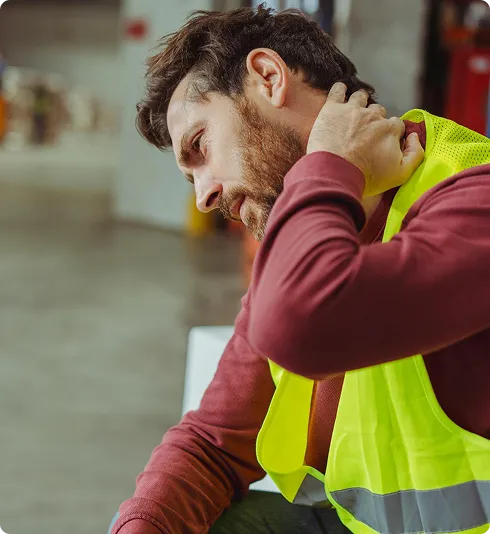
How to Avoid Workplace Injuries and MSDs?

Workplace injuries that lead to MSDs can be reduced by identifying physical risk factors early and improving job fit. Organizations should use ergonomic assessments, job-specific physical testing, employee training, and proactive injury prevention strategies to reduce strain, support safe movement, and keep employees healthy and productive.

What Turns Physical Demands Into MSD-Related Injuries?

Work-related musculoskeletal risks can emerge from repetitive tasks, awkward postures, excessive physical demands, poor job-person fit, and delayed intervention. Addressing these risks early is a critical part of avoiding workplace injuries in physically demanding roles.

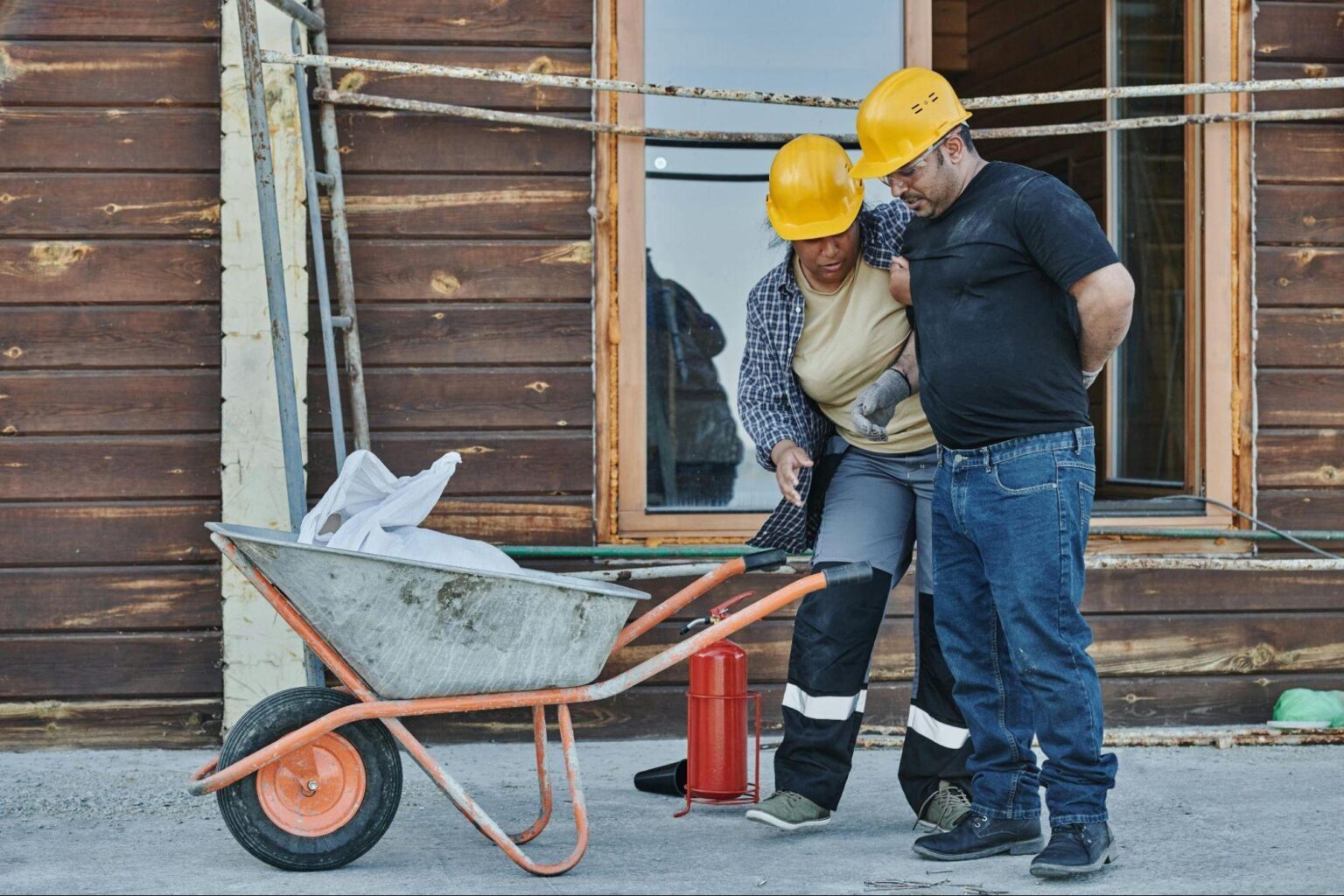
For physically demanding workforces, gaps in work injury prevention can affect far more than individual employees:

  • Repetitive work can increase strain, injuries, and lost productivity.
  • Unaddressed discomfort can increase injury risk and costly claims.
  • Delayed intervention can increase injuries, lost time, and costs.
  • Poor job-person fit can increase injuries, turnover, and costs.
  • Premature return to work can increase reinjury risk, lost time, and costs.
  • Unclear job demands can increase hiring errors, injuries, and costs.

Reduce Injuries and Workforce Risk With ErgoScience’s Work Injury Prevention Solutions

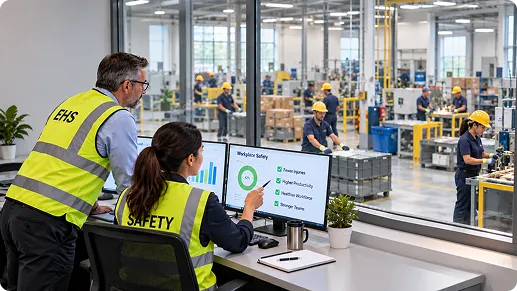
Knowing how to avoid workplace injuries means addressing physical and musculoskeletal risks across the employee lifecycle, from hiring and daily work through return-to-work decisions.

Better Job Fit and Greater Workforce Stability

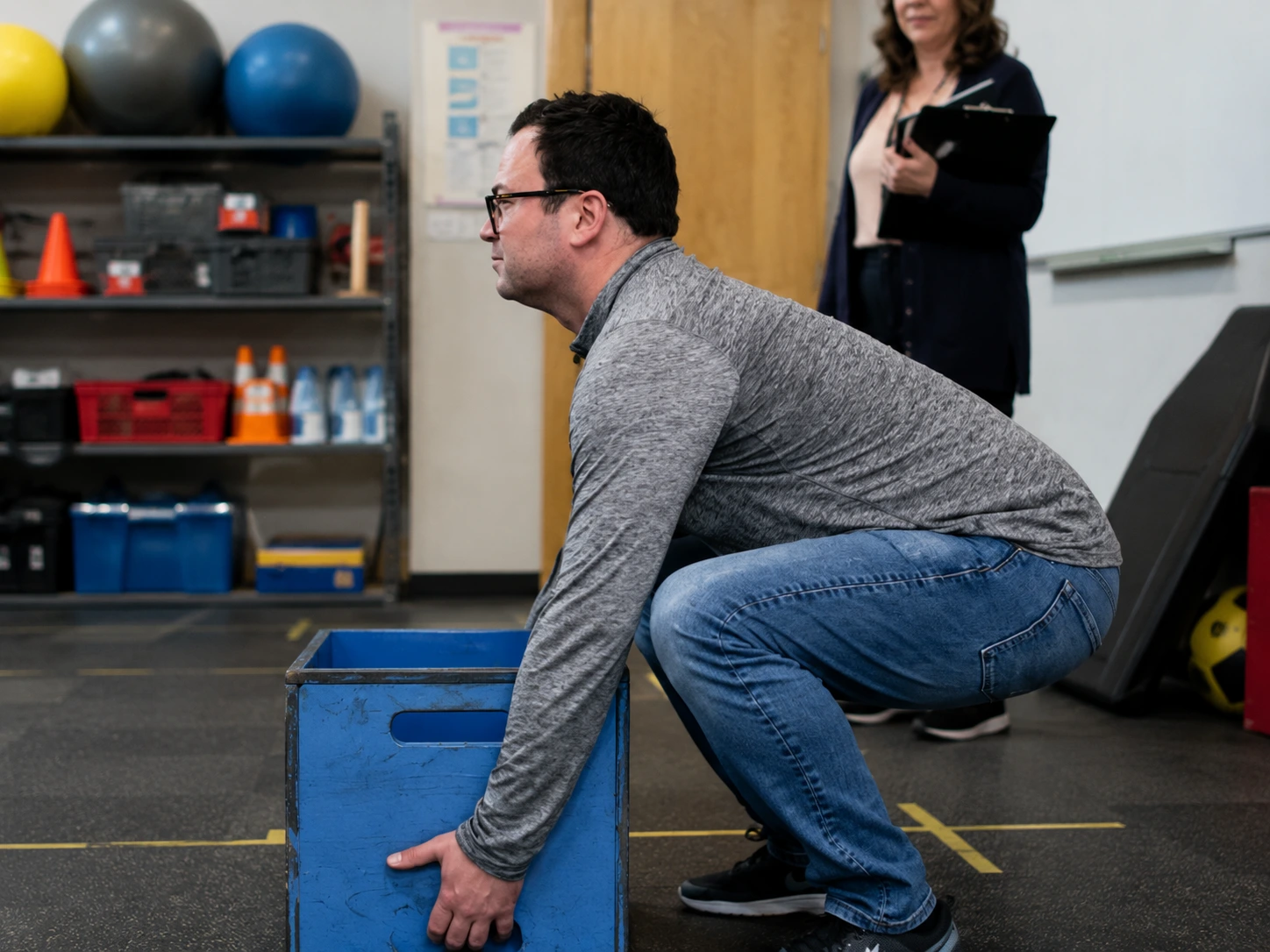
Job-specific physical abilities testing aligns candidates with the physical demands of each role.

Lower Physical Strain and MSD Risk

Ergonomic changes reduce physical strain across demanding workplace tasks.

OSHA-Compliant Early Intervention and Fewer Escalating Injuries

Early musculoskeletal first aid addresses discomfort before it develops into recordables.

Safer, More Consistent Work Practices

Ergonomic training reinforces proper movement and task execution across teams.

Greater Workforce Readiness and Less Lost Time

Fitness-for-duty testing supports appropriate return to physically demanding roles.

Lower Injury Costs and Greater Operational Continuity

Reducing musculoskeletal risks can help lower related injury costs and operational disruption.

Prevent Injuries Across the Employee Lifecycle

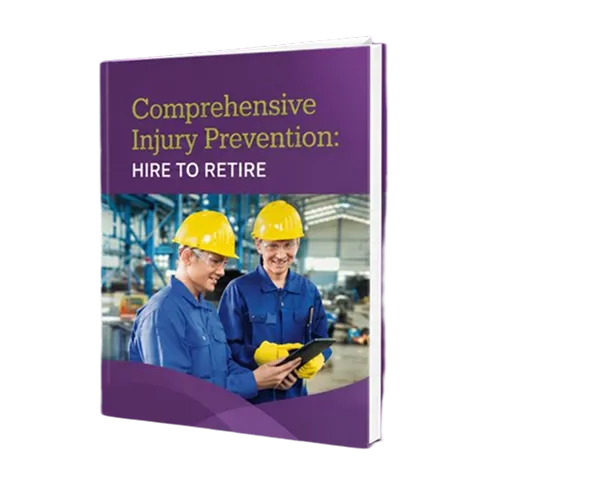
Discover how to build a comprehensive injury prevention program from hire to retirement.

Why Is ErgoScience Different for MSD-related Work Injury Prevention?

ErgoScience brings job-specific testing, ergonomic assessment, early intervention, return-to-work support, and scientific methodology together to prevent and manage MSD risk across the workforce.
  • Role-Specific Testing Based on Job Demands
  • Research-Backed Methods With Scientific Rigor
  • One Connected Injury Prevention System
  • Stronger Legal Defensibility for Hiring
  • Measurable Outcomes and Continuous Improvement
  • Scalable Support Across Distributed Operations

Improving Workplace Safety in Manufactured Home Communities

Explore a real-world case study of a manufactured home communities organization facing rising strains, sprains, and slips, trips, and falls.

How to Avoid Workplace Injuries and MSD Risk Across the Employee Lifecycle

For employers learning how to avoid workplace injuries in physically demanding jobs, ErgoScience connects MSD prevention across the employee lifecycle, from physical demands and job fit to ergonomic risk, early intervention, and return-to-work readiness.
Step 1 Icon
Step 1

Define the Physical Demands

Identify the strength, movement, endurance, and environmental requirements needed to perform each job safely.

Step 2 Icon
Step 2

Validate Job-Person Fit

Use custom, job-specific testing to determine whether candidates can safely perform the role's essential physical functions.

Step 3 Icon
Step 3

Identify Ergonomic Risk

Evaluate high-risk tasks and quantify ergonomic hazards to determine where physical strain can be reduced.

Step 4 Icon
Step 4

Reinforce Safer Work Practices

Strengthen safe movement, lifting, posture, and work practices across physically demanding job roles.

Step 5 Icon
Step 5

Address MSD Symptoms Early

Identify and address early musculoskeletal symptoms before they progress into more serious conditions or recordable injuries.

Step 6 Icon
Step 6

Validate Readiness to Return

Assess whether employees can safely meet their job's physical demands and provide conditioning or modified work when additional preparation is needed.

Hear How Employers Reduced Workplace Injuries

In researching companies to help us implement a pre-employment physical testing program, we wanted to find a program that would give us the peace of mind that any candidate we hired would be physically able to do the job and that the process itself would be fair and defensible. The methods used by ErgoScience met these objectives. I would encourage anyone considering a pre-employment physical testing program to look at ErgoScience. The methods used by ErgoScience are thorough, professional, and proven. We could not be more pleased.

Gary Cameron

HR Director, Mitchell Grocery Corp
ErgoScience’s computer-vision ergonomic assessments have helped us identify and quantify ergonomic risks that impact our associates. Their recommendations have helped us make practical, cost-effective changes to prevent further injury.”

Safety Director

Heavy Industry Manufacturing

Build a More Reliable Workforce With Proactive Work Injury Prevention

Knowing how to avoid workplace injuries in physically demanding jobs starts with reducing musculoskeletal risks across the employee lifecycle, from job fit and ergonomic exposure to early intervention and return-to-work readiness.

Key takeaways:

  • Clearer job demands and stronger candidate-job alignment.
  • Lower exposure to ergonomic hazards and physical strain.
  • Earlier intervention for emerging discomfort and MSDs.
  • More consistent safety practices across physically demanding roles.
  • Greater readiness for sustainable return to work.
  • Lower injury costs and fewer operational disruptions.
Find where unmanaged risks may be increasing injury costs and learn how to avoid workplace injuries.

Frequently Asked Questions

Recurring discomfort should prompt employers to review the employee's tasks, physical demands, and ergonomic exposures. Early evaluation can help identify whether changes to the work or additional support are needed before the issue escalates.
If you are wondering how to avoid workplace injuries and don’t know where to begin, start by defining actual job demands, then assess job-person fit, ergonomic exposures, early symptoms, and return-to-work readiness. A connected work injury prevention strategy addresses these risks across the employee lifecycle.
Assess the actual physical demands of the job, including repetition, posture, force, movement, endurance, and environmental conditions. Then review ergonomic exposures and recurring employee discomfort to identify where further evaluation may be warranted.

Additional Resources to Strengthen Workplace Injury Prevention

5 Reasons New Hires Get Injured in Physically Demanding Jobs and How Workplace Injury Prevention Can Help

Reduce workforce injuries, improve hiring accuracy, and lower MSD risk with proactive workplace injury prevention strategies.
A step-by-step operational guide to scaling physical ability tests without workflow disruption or heavy infrastructure…

Reduce MSDs, Lower Workers’ Comp Costs, and Build a Safer Workforce With ErgoScience

Your Key to
Knowledge Awaits!

Complete a quick registration to gain access to this resource.

Your Key to
Knowledge Awaits!

Complete a quick registration to gain access to this resource.

Your Key to
Knowledge Awaits!

Complete a quick registration to gain access to this resource.