

A workers’ compensation claim tells EHS leaders an injury has happened, but the claim alone may not reveal which exposure(s) contributed to it.
Many musculoskeletal disorders (MSDs) build quietly. Employees may repeat motions, exert force, hold awkward positions, or work with vibration day after day. By the time pain or reduced capability becomes difficult to ignore, the MSD may already be heading toward a recordable injury.
The World Health Organization (WHO) identifies musculoskeletal conditions as a leading contributor to disability worldwide and notes their broader links to reduced ability to work, early retirement, absenteeism, and productivity loss. In the workplace, musculoskeletal injuries can also create operational consequences through lost and restricted duty days, reduced productivity, and workers’ compensation claims.
According to the BLS’s Injuries, Illnesses, and Fatalities report, private industry employers reported 568,150 cases involving days away from work due to sprains, strains, and tears in early 2024.
EHS leaders should look for the following five workplace MSD risk factors that lead to MSDs before they become another injury statistic:
How many repetitions are too many for an employee?
There is no universal number of repetitions that makes a task unsafe. The impact of repetition as an ergonomic risk factor depends on the broader exposure. Repetition becomes more concerning when movements occur frequently, continue for long periods, allow little recovery, or combine with force or awkward posture. EHS teams should evaluate the complete exposure rather than rely on a fixed threshold.
1. Repetitive Motion

Repetitive motion occurs when employees perform the same or similar movements repeatedly during a task or shift, particularly when there is limited time for recovery. Assembly, scanning, packaging, and repeated tool use can place excessive demands on the same muscle groups, increasing the risk of musculoskeletal disorders in the workplace.
Repetition alone does not determine MSD risk. The exposure becomes more significant when the repetitive movements continue for long periods, involve short task cycles with limited recovery, or occur alongside forceful exertions or awkward postures.
Why It Matters
- Can increase physical loading when the same movements occur frequently with limited recovery
- Makes short task cycles more demanding when the same muscles are repeatedly engaged without adequate rest periods
- Can contribute to accumulating fatigue when repetitive work continues for long periods
- May require closer review when repetition occurs alongside force, awkward posture, or other physical exposures
- Highlights opportunities to vary task demands, improve recovery opportunities, or redesign work cycles
2. Forceful Exertions

Forceful exertion refers to the physical effort required to lift, push, pull, grip, carry, or control an object or tool. The weight of the load is only one part of that demand. Grip, reach distance, body position, friction, resistance, equipment condition, and tool design can all affect how much force an employee must actually apply to complete the task.
A heavy object does not automatically make work unsafe, just as a lighter object does not automatically mean the task requires little effort. EHS teams need to evaluate the actual physical force required within the full context of how the task is performed.
Why It Matters
- Increases mechanical demands on muscles, tendons, and joints when greater physical effort is required
- Can accelerate fatigue when high-force tasks continue or are repeated throughout a shift
- Reveals how grip, reach distance, posture, friction, and equipment conditions can increase actual force demands
- Highlights tasks where tool design or mechanical resistance may require unnecessary physical effort
- Helps EHS teams evaluate whether equipment changes, task redesign, or mechanical assistance may reduce exposure
3. Awkward and Static Postures
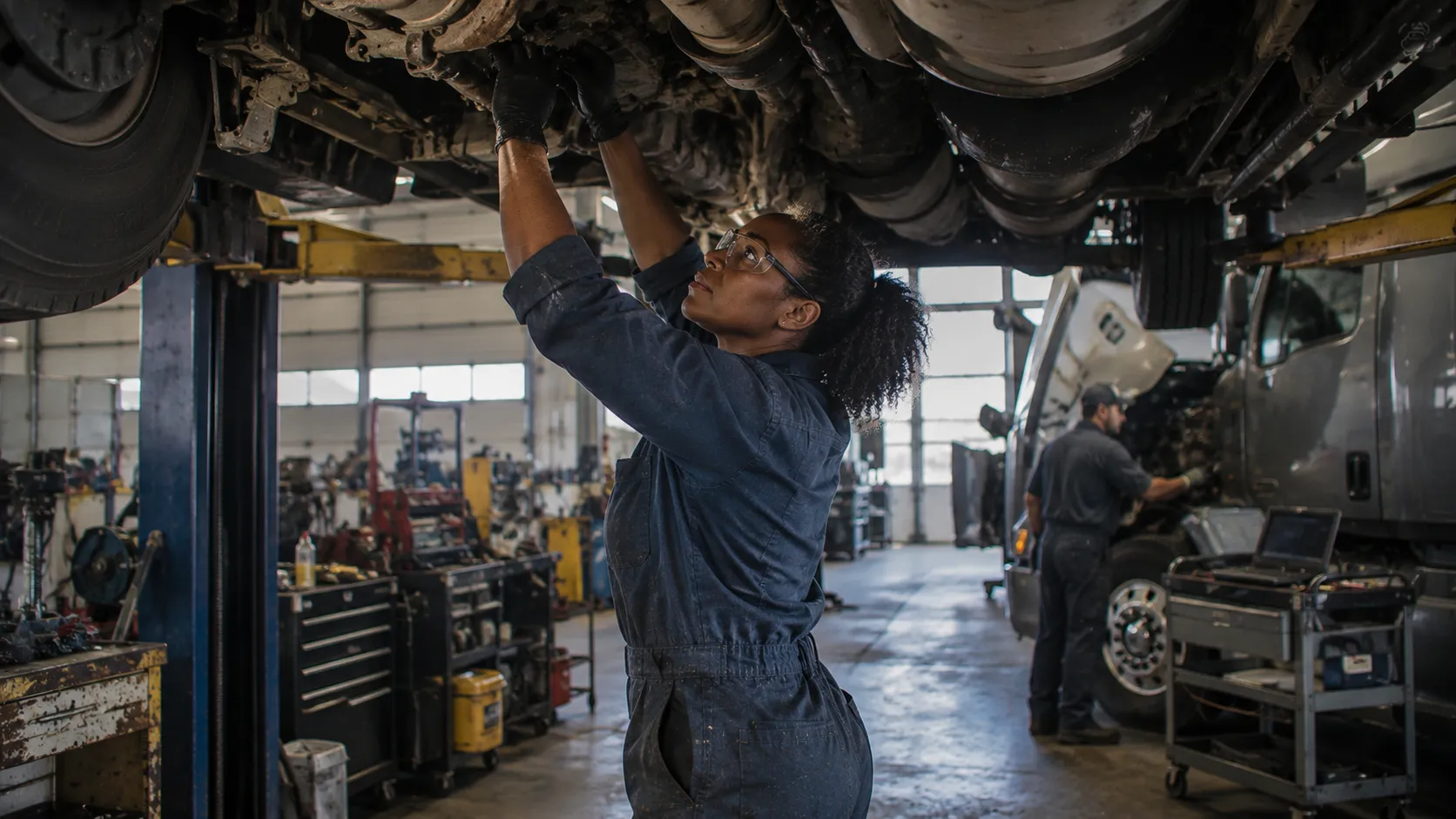
The way employees actually position their bodies while performing a job can create unnecessary physical stress. Awkward postures occur when workers repeatedly reach, bend, twist, kneel, work overhead, or position joints away from more neutral working positions.
Static postures occur when employees must hold the same position for extended periods. The key issue is not whether a workstation was designed with an intended posture in mind, but whether the task, equipment, workspace, or workflow causes employees to adopt demanding positions during real work.
Why It Matters
- Can increase physical demands when employees repeatedly work outside more neutral positions
- Creates localized fatigue when muscles must support sustained or demanding positions for extended periods
- Reveals how task design, equipment placement, workspace layout, or workflow may be driving awkward movements
- Helps identify situations where the intended workstation setup differs from how employees actually perform the job
- Highlights opportunities to redesign tasks or work areas rather than relying solely on employees to adjust their posture
How do you identify ergonomic hazards in the workplace?
Identifying ergonomic hazards starts with observing employees as they perform actual work. EHS teams should examine tasks, equipment, workstations, worker feedback, and physical exposures such as force, repetition, posture, vibration, duration, and recovery to identify demands that may increase MSD risk.
4. Vibration Exposure

Vibration exposure can affect employees in two primary ways: hand-arm vibration and whole-body vibration. Hand-arm vibration occurs when workers use or contact vibrating tools or equipment, such as grinders, impact tools, drills, or other powered devices.
Whole-body vibration occurs when employees work on or operate vibrating vehicles, machinery, or equipment, such as forklifts and other industrial vehicles. The level, intensity, and duration of exposure can affect the overall physical demands of the job.
Why It Matters
- Creates different exposure conditions depending on whether vibration is transmitted through the hands and arms or the whole body
- Can increase physical demands when vibrating tools or equipment are difficult to control
- Makes exposure duration and intensity important factors when evaluating the task
- Highlights equipment, vehicles, tools, and work surfaces that may be contributing to physical exposure
- Helps EHS teams identify opportunities to review equipment condition, work practices, and exposure time
5. Contact Stress

Contact stress occurs when part of the body repeatedly or continuously comes into contact with a hard, sharp, or poorly designed surface that concentrates pressure on a specific area. Examples include resting a wrist against a workstation edge, leaning a forearm on a hard surface, gripping a poorly designed handle, kneeling on a hard floor, or repeatedly using the hand to brace against an object.
The presence of a contact point alone does not determine the level of MSD risk. EHS teams should consider how much pressure is involved, how often the contact occurs, how long it lasts, and whether other exposures, such as force, repetition, or awkward posture, occur at the same time.
Why It Matters
- Can create concentrated pressure at specific contact points during routine tasks
- May become more significant when pressure is repeated or sustained for long periods
- Can reveal workstation edges, tools, handles, surfaces, or task setups that create unnecessary physical pressure
- Often occurs alongside other exposures, including forceful gripping, repetition, or awkward posture
- Highlights opportunities to adjust equipment, surfaces, padding, or task setup where pressure is unnecessary
How EHS Leaders Can Evaluate Risk Factors That Lead to MSD

The five risk factors above do not carry the same level of concern in every job. EHS leaders can evaluate repetition, force, posture, vibration, and contact stress by examining how frequently the exposure occurs, how long it lasts, how much physical effort it requires, whether recovery is adequate, and whether multiple exposures occur together.
OSHA recommends workplace observations, objective measurements, worker input, and ergonomic job analyses to identify potential ergonomic problems before they contribute to musculoskeletal disorders (MSD).
Identifying a physical exposure is the starting point, not the final assessment. EHS teams need to understand how that exposure affects the specific demands of the job, prioritize the areas that warrant intervention, and evaluate whether changes are reducing unnecessary physical demands over time.
A job-specific assessment helps connect workplace observations to the actual physical requirements of the work, creating a clearer foundation for targeted MSD prevention.
Can workplace musculoskeletal disorder risks be reduced before an injury occurs?
Yes. EHS teams can reduce workplace MSD risks by identifying physical exposures early and modifying tasks, equipment, workstations, or work practices. The appropriate intervention depends on the job’s specific demands, including force, repetition, posture, vibration, exposure duration, and opportunities for recovery.
Turn Risk Factors that Lead to MSD Into Prevention Priorities
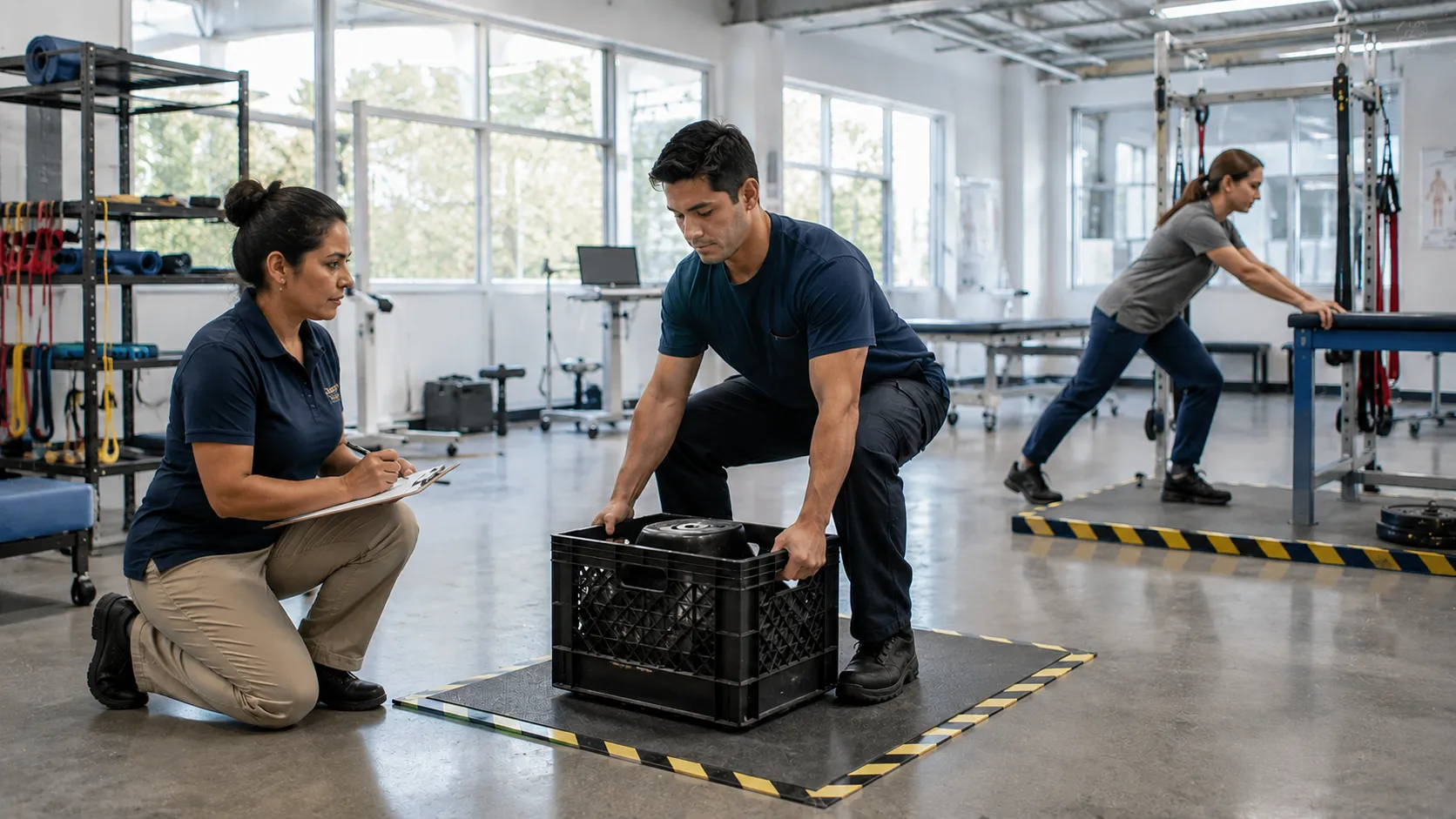
Physical demands rarely come from a single source. Repetition, force, posture, vibration, and contact stress can each contribute to the demands of a job, and their combined effect deserves attention when evaluating MSD risk.
The five risks are most useful when evaluated in context. Looking at their frequency, duration, force demands, working postures, recovery opportunities, and combined exposures helps EHS teams move from simply identifying a risk factor to understanding how it affects a specific job.
| MSD Risk Factor | What EHS Leaders Should Look For | How ErgoScience Can Help |
|---|---|---|
| Repetitive motion | How often movements occur, how long they continue, available recovery time, and whether force or awkward posture occurs simultaneously | Job Analysis and Ergonomic Assessments can help evaluate the actual task demands and identify opportunities to reduce unnecessary repetitive exposure. |
| Forceful exertions | The actual physical effort required, including grip, reach distance, posture, resistance, tool design, and equipment conditions—not just object weight | Job Analysis and Ergonomic Assessments can help evaluate physical job demands and identify where task design, equipment, or work methods may be increasing force requirements. |
| Awkward and static postures | How employees actually position their bodies during work and whether task design, equipment placement, or workflow is driving repeated or sustained demanding positions | Ergonomic Assessments and Job Analysis can help identify posture-related demands within the actual job and evaluate opportunities for task or workstation improvements. |
| Vibration exposure | Whether exposure is hand-arm or whole-body, its source, intensity, duration, frequency, and contributing equipment or work conditions | Job Analysis and Ergonomic Assessments can help evaluate how vibration exposure fits within the overall physical demands of the job and identify conditions that warrant closer review. |
| Contact stress | Where concentrated pressure occurs, what surfaces or equipment create it, how often and how long contact occurs, and whether other exposures occur simultaneously | Ergonomic Assessments can help identify pressure points created by tools, equipment, surfaces, or task setup and evaluate practical ways to reduce unnecessary contact stress. |
This is where a job-specific approach matters. Rather than applying generic ergonomic recommendations, ErgoScience helps employers analyze how work is actually performed, evaluate the physical demands employees encounter, and identify targeted opportunities to reduce MSD risk.
ErgoScience can support this process through job-specific analysis and ergonomic assessment, helping employers evaluate physical demands, prioritize appropriate interventions, and strengthen broader MSD prevention efforts.
By combining job-specific analysis with targeted prevention strategies, employers can move from reacting to injuries after they occur to identifying physical demands earlier and prioritizing where intervention can have the greatest impact.
Know where physical demands are creating risk. Take the next step toward a more targeted MSD prevention strategy.
Talk to an Ergonomics Specialist
5 Workplace Risk Factors EHS Leaders Should Address
The following five exposures can help EHS leaders identify where routine job demands may contribute to workplace musculoskeletal disorders:
- Repetitive motion: Frequent movements and limited recovery can increase physical loading.
- Forceful exertions: Actual force demands depend on more than object weight alone.
- Awkward and static postures: Reaching, bending, twisting, and sustained positions can increase physical demands.
- Vibration exposure: Exposure type, intensity, and duration all matter when evaluating the task.
- Contact stress: Repeated or sustained pressure against hard surfaces or edges may warrant closer review.
Evaluating these exposures in the context of the specific job can help EHS teams identify practical opportunities for prevention before an injury occurs.
Discuss Your Workplace MSD Risks
FAQs
1. Does an ergonomic risk factor automatically mean a job is unsafe?
Not necessarily. One ergonomic risk factor does not automatically make a job unsafe or mean it will cause musculoskeletal disorders. EHS teams should consider exposure frequency, duration, intensity, recovery opportunities, and whether multiple risk factors that lead to MSD occur together.
2. Are ergonomic risk factor assessments only necessary after an employee is injured?
No. Ergonomic risk factor assessments can proactively identify physical exposures before they contribute to injury and can also help investigate existing concerns. Evaluating actual tasks, equipment, workstations, and exposure conditions helps EHS teams prioritize practical risk-reduction measures.
3. Does fixing one ergonomic risk factor eliminate the risk of MSDs?
Not always. Reducing one exposure may leave other physical demands unchanged. For example, changing a tool may reduce force while repetition, awkward posture, or vibration remains. EHS teams should reassess the task after changes to determine whether other exposures still warrant attention.
4. Do ergonomic improvements always require expensive equipment or major workplace changes?
No. Some improvements may involve adjusting task setup, reducing unnecessary force, changing work practices, improving recovery opportunities, or modifying how a task is performed. The appropriate intervention depends on the ergonomic risk factors identified through the assessment.
5 Risk Factors That Lead to MSD: What EHS Leaders Should Take Away
Physical demands rarely come from a single source. Repetition, force, posture, vibration, and contact stress can each contribute to job demands, and their combined effect warrants attention when evaluating MSD risk.
Key Takeaways
- Document the repetition and rest cycle to understand where frequency and limited recovery may increase exposure.
- Check force requirements across lifting, pushing, pulling, gripping, and equipment use.
- Observe or video actual working positions related to the workstation setup rather than relying on subjective reports or job descriptions.
- Collaborate with experts who utilize computer vision AI to achieve efficient and more objective analyses.
- Review vibration exposure based on the equipment, exposure type, and time involved.
- Consider the full task when multiple physical demands occur together and may increase MSD risk.
Know where physical demands are creating risk. Take the next step toward a more targeted MSD prevention strategy.
Talk to an Ergonomics Specialist
Ergonomics resources: