
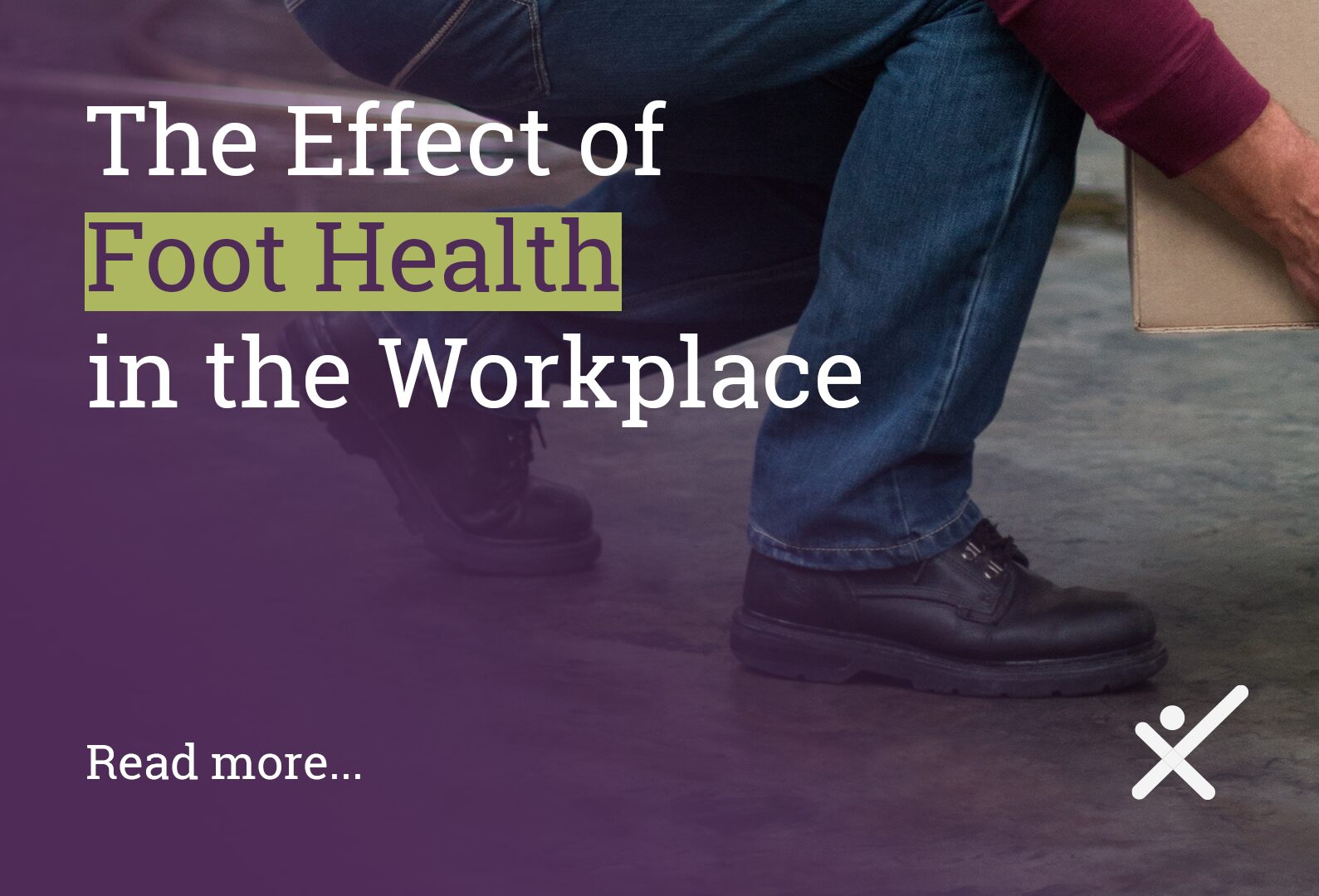
Foot health often goes unnoticed, yet it plays a vital role in overall well-being and productivity in the workplace. From office workers to construction laborers, our feet are the foundation of mobility and comfort. Poor foot health can lead to discomfort, decreased productivity, and long-term health issues. Understanding the importance of foot care and its impact on work performance underscores the need for preventive measures and proper footwear choices.
Feet are complex structures composed of bones, muscles, ligaments, and tissues that support the entire body's weight and facilitate movement. When foot health is compromised, it can lead to pain, fatigue, and mobility issues, affecting an individual's ability to perform tasks effectively. Chronic foot problems such as plantar fasciitis, bunions, or heel spurs can cause persistent discomfort, reduce concentration, and increase absenteeism.
Moreover, foot health is linked to broader health concerns. Conditions like diabetes, which can cause neuropathy and poor foot circulation, necessitate special attention to foot care. Neglecting foot health can lead to infections, ulcers, and in severe cases, amputation, highlighting its critical importance in overall health management.
Discomfort or pain in the feet directly impacts workplace productivity. Employees experiencing foot pain often report decreased focus, increased fatigue, and a higher likelihood of taking sick leave. For individuals required to stand for long periods, such as retail staff, healthcare workers, and manufacturing employees, the strain on their feet can be substantial.
Fatigue from foot discomfort can also lead to decreased stamina, slower work pace, and a higher risk of accidents, especially in environments where alertness and agility are crucial. For example, a construction worker with sore feet may be less attentive to safety protocols, less agile when avoiding hazards, which increases the risk of accidents. Similarly, prolonged standing or inadequate footwear can exacerbate existing foot conditions, creating a cycle of discomfort and decreased work efficiency.
Certain occupations carry higher risks of foot health issues. Jobs requiring long hours of standing or walking, repetitive movements, or exposure to hazardous conditions can cause or aggravate foot problems. Examples include:
These workers often develop swollen feet, blisters, calluses, plantar fasciitis, or stress fractures. Ignoring these symptoms can lead to chronic conditions, affecting long-term mobility and quality of life.
Promoting foot health in the workplace involves a combination of awareness, proper footwear, and workplace modifications. Here are some strategies:
For those who sit for work, make sure that the feet are supported on the floor or on a footstool if the chair is too high for the feet to reach the floor (sometimes required to accommodate a fixed desk height—especially for short individuals).
New materials in foot PPE are focused on lightweight, durable, and versatile options, incorporating elements like carbon fiber, composites, thermoplastics, Gore-Tex, and recycled materials. These advancements enhance worker comfort, safety, and sustainability in the workplace.
Employers are key in fostering a workplace culture that prioritizes foot health. Implementing policies that allow flexibility, maintaining ergonomically designed workspaces, not only improve employee well-being but also provide appropriate footwear or inserts, and enhance overall productivity.
Occupational health guidelines should also include foot health assessments as part of routine health checks. Encouraging a proactive approach ensures issues are addressed before they become more serious problems.
A comprehensive foot health assessment typically involves evaluating skin, nails, and the musculoskeletal and circulatory systems. It may include visual inspection, nerve function testing (like the monofilament test), and assessment of foot structure and function. Diagnostic tests like X-rays or ultrasounds may be used if needed.
Investing in foot health can lead to numerous benefits, including reduced sick days, lower healthcare costs, and improved overall morale. Healthy feet contribute to better balance, posture, and mobility, which are essential for maintaining an active and healthy lifestyle both inside and outside the workplace.
Furthermore, promoting foot health demonstrates an employer’s commitment to employee welfare, fostering loyalty and job satisfaction. Employees who feel cared for are more engaged, motivated, and likely to perform at their best.
Foot health is a fundamental aspect of occupational well-being that influences comfort, productivity, and long-term health outcomes. Recognizing its importance and implementing preventive measures can significantly reduce workplace discomfort and injuries. By fostering a culture that values foot health — through proper footwear, ergonomic adjustments, and education — organizations can support their employees in maintaining mobility and vitality,

Share:
We'd Love to Chat!



Our goal is to help people in the best way possible. this is a basic principle in every case and cause for success. contact us today for a free consultation.
